Episode information

In this second episode of our Online Safety in Sport podcast series, we explore why education is one of the most powerful tools we have to prevent online harm in sport. From social media abuse to harmful online behaviours that spill into real-world environments, the impacts are growing – but so are the opportunities to respond.

Online harm isn’t inevitable. With the right education, shared responsibility and early action, sport can remain a safe, respectful space.

Our On Side host Tim Gavel is joined by two leaders working at the forefront of safeguarding and integrity in Australian sport:

  • Kate McMahon, National Integrity Manager at Surfing Australia, who brings a unique perspective shaped by her background in media, storytelling and a lifelong connection to the surfing community
  • Lisa Purves, Director of Safeguarding at Sport Integrity Australia, who leads national efforts to strengthen child safety and help organisations prevent and respond to harm, including in online spaces.


Together, they unpack:

  • Why online safety is such a critical issue for sport right now
  • The real impact of online abuse on athletes, participation and wellbeing
  • Why online harm isn’t separate from sport – but part of the broader culture
  • How education empowers athletes, coaches, parents and organisations to take action
  • The role everyone plays in building safe, respectful online environments.


Explore further:

Acknowledgement of Country: As we share a yarn today, we honour the stories that have been told on this land for thousands of years and acknowledge the Ngunnawal people as the Traditional Custodians of the land we’re recording on, and we pay our respects to their elders past, present and emerging.

Kate McMahon: Online's a wild west out there. Like, we're trying to navigate something that is really, really tricky.

Lisa Purves: Players can be targeted, athletes can be targeted for online hatred or bullying or anything like that, or even sexist or gender-based violence online.

Kate McMahon: Education helps us understand what the poor behaviour is and what we should be modelling and what you should be calling out so it's about that prevention rather than being reactive to when things escalate.

Lisa Purves: To create that culture where online harm and abuse is not acceptable, as a club you've also got to stand firm and you've got to stand consistent in that as well, so it is about taking action and it is about reaching out to the eSafety Commissioner and making sure that any instances adult with.

Kate McMahon: Online for any sporting environment can be a really amazing, vibrant, exciting place. It's where we tell our stories. It's where we celebrate our athletes and our participants and so, it's got a really positive impact as well, and it's like, let's keep it that way.

Tim Gavel: Hello, I'm Tim Gavel. Welcome to On Side and episode 2 in our new series discussing online safety in sport. Online harm isn't inevitable. With the right education, shared responsibility and early action sport can remain a safe, respectful place. Today we're joined by two leaders working at the forefront of this issue in Australian sport. Kate McMahon is Surfing Australia's National Integrity Manager, with a background in storytelling, media and marketing, and a lifelong connection to the sport, she's passionate about creating a culture that's safe, inclusive and fair for everyone. Kate, welcome to On Side.

Kate McMahon: Hi, thanks for having me. Glad to be here.

Tim Gavel: Also with us today is Lisa Purves, Director of Safeguarding at Sport Integrity Australia, and Lisa leads national efforts to strengthen child safety across the sporting sector, supporting organisations to better understand, prevent and respond to harm, including online environments. Lisa, thanks for joining us as well.

Lisa Purves: Thank you, Tim.

Tim Gavel: Well, together they bring practical experience and a sector-wide perspective on how we can better protect athletes and communities in today's digital world. Lisa, why is this an issue and what impact does it have on athletes and people involved in sport?

Lisa Purves: Yeah look, the biggest impact I suppose is what used to just happen on the field, there's now an online presence for even your local community club. There's usually a Facebook page or there's usually something. So that gives not just other players access to the athletes 24-7, it gives parents and spectators, athletes, access to the whole sort of gambit of sport, right across from, commenting on a certain player's performance or commenting on a picture, and all of that can have a really significant impact because children often can't distinguish between their sporting career and their personal life, so that becomes intertwined. And so they feel like the criticism that they sometimes get online for, say, poor performance or, an act of stupidity on the pitch, that's then targeted by some parents and spectators, they take that to mean that they themselves have kind of become this person that deserves this abuse, which is not okay in any setting. Also, it gives everybody access to the child 24-7 because there's no switching off from it.

Tim Gavel: Yes. Kate, what about your sport? I guess we're looking at impact, but we're also looking at education and preventing online harm. Tell us about your sport.

Kate McMahon: Yeah, well, in terms of surfing, there's a lot of adult and child, young people interaction, because we're all actually in the lineup together. So the boundaries are already down in this, I guess, what you could call a lifestyle sport. So you take that into an online environment and that can become a bit normalised as well in where those boundaries cross and understanding, education helps us understand what the poor behaviour is and what we should be modelling and what you should be calling out. So it's about that prevention rather than being reactive to when things escalate. So it's really important that way of connecting with people to go 'Oh, that's not cool. I actually don't have to put up with that. Or 'Something I've done is not that great, so pull myself up on that.

Tim Gavel: Yes. Just on online harm, the expression itself, people sometimes disassociate it with sport. They think 'Well, we're playing sport on the sporting field, social media online harm has nothing to do with what happens on the sporting field'. But they're closely interactive, aren't they, Lisa and Kate?

Lisa Purves: It absolutely has a lot to do with it because similar to, I mean, the Safeguarding children and young (people) policy now says – makes it very clear it's the behaviour that's either in person or online because we recognise the online environment is significant and it poses additional risks for sport because players can be targeted, athletes can be targeted for online hatred or bullying or anything like that, or even sexist or gender-based violence online, and that attack only comes because they are a sporting personality. And people become emboldened when they're not saying it face to face so they can tend to say more hurtful things, more harmful things than they would do if it was to be in person. So sport do have to take it seriously because just like we assess risks in the physical environment, we also need to assess the risk that athletes might be exposed to on the online environment in order to protect their mental health and wellbeing as an athlete as well. It's not enough to just say to them, 'Oh, switch off, cancel your social media.' Some of these pathway athletes rely on their social media to attract sponsorships and funding, et cetera. So it's not enough to just say to them, 'Oh, cancel your social media. No one needs social media.' We do need social media, everybody has a social media profile, and just because they're an athlete and just because they're heading towards professionalism doesn't mean to say that they should have to cancel their social media because other people can't be kind.

Tim Gavel: Because Lisa, that is a great response there, and I think, Kate, you sort of mentioned it earlier in that your world in a lifestyle sport, people do understand the difference between what happens in the sporting arena as opposed to away from the sporting arena, probably far better than some other sports.

Kate McMahon: To a degree. I think that it's different at obviously different levels of the sport. Like, club competitions is very community based and it a little bit reflects of what, I guess what we call our free surfing experience, it brings that into a contest experience, but it's still very community minded. I think it's just with the online sphere, is understanding, particularly for the children and young people, it's not separate how we might, older people might think that 'Oh, It's separate, it's online', that is their world. So what is going on in that space is absolutely indicative of their everyday lives, and so that's why what Lisa was saying, it's important to bring, to hold that, to model those behaviours in that space as much as we do on the sand or in the arena.

Tim Gavel: No, that is a great answer too. Lisa, what sort of online abuse that we're talking about here and how do you sort of describe some of the abuse and digital harm that is impacting on athletes?

Lisa Purves: Look, there's the obvious bullying. I suppose we refer to people as keyboard warriors. They'll feel emboldened by the fact that they're hidden behind a name or being faceless on online. But what can also happen is, children can be exploited online. The more they're online, the more exposure they have to that from people who would either seek to harm them, but also the latest trend is that, criminal gangs are also targeting children in order to exploit them, exploit them into sending them money saying that 'We've got your contact list', either a digitally enhanced photograph or potentially they'll have coerced a child into sending them a photograph. So the risks go from just a horrible comment or something not nice, right the way through to potentially sexual abuse and sexual exploitation. So this is why sports must take it seriously because it's not just the extremes in bullying, it can go to any lengths. What you can do in person to a child, you can do online to a child, and I think that's, as Kate made reference to, people of our age don't necessarily make that distinction. We think of the online world as being completely separate, but children and young people are embedded in the online world so the harms that they're exposed to in the physical environment is exactly the same on the online environment.

Tim Gavel: Yes, what about education, Kate? How does it empower athletes rather than placing the responsibility entirely on them?

Kate McMahon: It's bringing the language into their world. It's bringing these sort of dry policies that we might have into their everyday space of understanding what are the behaviours that we want to model. If everyone knows that and everyone's doing the right thing, then that inherently creates a better culture. But it's also about how to go about calling out when something feels a bit off and understanding that there's an avenue for that and that you don't have to just sit back and have these things compound and escalate and affect you in your personal life, in your life as an athlete, in your life as a club member, whatever it might be, that you've got somewhere that you can go, and whether that is your sporting buddy or your parent or your coach or your club president, it's about understanding that you're not alone and that this stuff, even though it's just online, is not okay, or that it's not just online.

Tim Gavel: Do you think sometimes young athletes in particular don't know where to go? They think 'Oh, I'm not going to make an issue of this' or 'I don't really don't know how to take it any further'.

Kate McMahon: I think it becomes, and based on the recent survey, Hear Us Play?

Lisa Purves: Hear Me Play.

Kate McMahon: Hear Me Play, sorry, is that behaviours can become normalised really quickly and when it's repetitive, it's even then more normalised and you're less likely to call something out. So that education is bringing it into your sporting context own language, and so you can connect with it as an athlete and as a participant. Education's key in the understanding.

Tim Gavel: What's right and what's wrong.

Kate McMahon: What's right and wrong.

Tim Gavel: Yeah.

Kate McMahon: And where to go if it's not okay and the kind of, yeah, the language we should be using to one another.

Tim Gavel: What are your thoughts on that, Lisa, in terms of education and understanding responsibilities, but also athletes understanding as well where they can go to report something that they believe is harmful?

Lisa Purves: Yeah. Look, Kate's absolutely right. Education is key. Helping children understand exactly what they need to speak up about is one of our key priorities this year, which is why we're focusing on trying to get that information out there to them about when to speak up and what to speak up about. Because they can just become, the abuse and harassment can become normalised and it doesn't help when people turn around and say to them 'Oh well, just delete your social media. Oh well, just ignore it, it was only a comment on social media.' If it's causing them harm, if it's causing them distress, that should be taken seriously because if it was done face to face, they'd absolutely take that seriously, and so just because it's online, you can't ignore it. And so I do think children get a lot of education in this in school systems, but I still think we need to change the narrative a little bit and say, whilst it's happening at school, it can also happen at sport. And sadly, that is that crossover so if it is happening in school, often the child in certain communities would be playing sport with those kids and that can exacerbate it and make it heightened, but again, I think for the sports club to kind of say 'Oh it's not our responsibility because it's happening online and that's not on the sport field.' I don't think we can accept that excuse anymore because it is happening as part of sport. It's, comments can be made about the child's sporting appearance or, a video could be posted that makes fun of the child from their sporting experience and none of that's okay really. We've got a HP Athlete Online Safety Course coming out shortly, and in that we have partnered with the eSafety Commissioner to develop an online module about online safety and in that we talk about the types of harm you can experience online and kind of just shine a light on it in an educative way to try and help children understand the behaviours they should be speaking up about as well.

Tim Gavel: Yes, because if it's not handled well, kids could walk away from sport. I'll ask you both that question because that could be a real issue, Lisa.

Lisa Purves: Absolutely. I mean, it can affect participation, but I think it can also have some long-lasting sort of, effects on the child's self-esteem and well-being as well. And so it might not just make them walk away from one sport, it might make them walk away from sport altogether. It might make them feel like they're not good enough to be in that space. When we know, again, Hear Me Play said the majority of children are in sport for fun and fitness and for the connections that they make and the connections that they make in person, and me as a parent, I know I want to create those connections in face to face and in person and get the kids off the online world because we know so much harm can happen to them there. So it kind of defeats the purpose again by pulling them out of sport and dropping those participation rates.

Tim Gavel: Kate, have you got a thought on that?

Kate McMahon: Yeah, and I mean, online for any sporting environment can be a really amazing, vibrant, exciting place. It's where we tell our stories. It's where we celebrate our athletes and our participants and so it's got a really positive impact as well, and it's like, let's keep it that way and take the things seriously that might be problematic.

Tim Gavel: Yeah. Is there a worry that people could walk away from sport because of social media harm?

Kate McMahon: Yeah, and even worse than just walking away from a sport. Like, we want to protect people's wellbeing, and obviously, we know there's different reasons for drop-off rates anyway, particularly with young girls, so, absolutely, negative social media experiences really risk having those drop-off rates.

Tim Gavel: What about the responsibility of parents and coaches? What role do they play?

Kate McMahon: It's more about rather than the surveillance, it's about that openness and that open communication about being that sounding board and not looking over a shoulder, but knowing that there's somewhere to go and how to identify what's cool and what's not cool in that kind of sporting context. I mean, they'd be doing it in their everyday context as well, but particularly in a sporting environment where, as Lisa mentioned, there might be a rhetoric about, 'Oh, it's just my sport and it's just an online comment and it's okay.' Being for, parents and coaches and club presidents and any personnel is being that sounding board and being that encouragement, that understanding what's the behaviours that we expect in sport and making sure that we're modelling those.

Tim Gavel: Just, I wonder about the ambiguity because on the sporting field and what happens within the sporting precinct sometimes is different to what happens outside the sporting precinct. So sporting organisations, what role do they play in this instance? Because sometimes the lines are quite blurred, aren't they?

Lisa Purves: Yeah. I think it goes back to Kate's comment about modelling the behaviour. So it's about saying we might have a Facebook page or we might have an Instagram page, but it's not okay as parents and spectators to go on and make those comments, and that can be really difficult for administrators to manage. It's another thing that they've got to do, and often this is a volunteer community and they've now got to monitor the Facebook page and switch off comments and delete comments, et cetera. But just acknowledge that if you're going to have that social media sort of presence, then there's an additional risk that comes with it and you need to be able to manage that. And to Kate's point, it is about educating your parents and educating your teams and your athletes and your spectators about what is appropriate for your organisation. So you're setting the tone, you're setting the culture and you're saying 'We won't tolerate online abuse and harm of any of our athletes or even the club.' 'We're not going to tolerate poor behaviour towards the club', calling out coaches or anything while you're on social media and encourage them to come in and speak to the club rather than, post that information for all the world to see.

Tim Gavel: Kate, the sporting organisation, what role does it play? As Lisa just mentioned, education is the key and I guess sporting organisations are volunteer run in many instances. How do they deal with issues away from the sporting field and what role does sporting organisations have in policing it?

Kate McMahon: If we're encouraging children and young people to come on the sporting journey, which is obviously what we want to do, then we definitely have that responsibility to help make it safe for them. Like that is, that's on all of us as adults in the sport and in this lifestyle sport to model those behaviours, so again, it comes down to bringing it into their own language and understanding how they're going to connect with that information. And luckily, you can measure and test that in terms of whatever marketing you're using, whatever marketing tools you're using to do that and social media tools, you can sort of measure and test what's resonating the most and keep doing that. Everyone's got the tools to be able to do that, whether you're a club level or an NSO, SSO level, in terms of what's hitting home with your eyeballs and your interaction and things like that, and just keep trying and keep experimenting with different things. We've got the resources, Sport Integrity Australia, eSafety Commission's all got the resources, it's working out how best for your sport do you communicate that message. It's not going to be the same for every sport.

Tim Gavel: Because I would imagine that it's not just about the complaint you go beyond the actual complaint to find out, I guess, the root of the problem and ensure that the culture is right, don't you?

Kate McMahon: In terms of when complaints come in?

Tim Gavel: Yes. When complaints come in, I would assume that you don't just deal with the complaint, but you deal with – is there a broader issue at play here?

Kate McMahon: Yeah, well complaints are always a tool to inform education. As well as dealing with the issue at hand, it's also looking for patterns and looking for opportunities to improve in your space, because it's not perfect and it's a, the online's a wild west out there. Like, we're trying to navigate something that is really, really tricky, and so just keep evolving and being open-minded to it, talking to young children and athletes, young children and young people, to see if there's anything going on that you might not be aware of, and really bringing it to the forefront, have those conversations.

Tim Gavel: Yes. Lisa, what does SIA provide? What does Sport Integrity Australia offer?

Lisa Purves: Look, we've got quite a few resources that are all downloadable, obviously, and they're there. But, you know, things like this podcast so people can listen to it on the way to training or on the way home from training, of course, but we're also offering stuff, I mentioned earlier, the HP Athlete eLearning course that we're putting together in collaboration with the eSafety Commissioner, and recognising that again, that that is both worlds coming together, what happened on the playing field can't be ignored from the online world as well, and the online world does have such an impact on players and athletes and also on their wellbeing. So we've also got a number of resources on our website but to be fair, if you're looking for online safety and advice, I would direct you towards the eSafety Commissioner, they've got a sports hub there and they've got some excellent resources. Also, if, just say for example, something awful was posted on social media and you wanted to try and get it taken down, the eSafety Commission is the place you'd go to try and get that taken down as well and they're there to help you with those complaints and help you with those issues. But again, to Kate's point, to create that culture where online harm and abuse is not acceptable, as a club, you've also got to stand firm and you've got to stand consistent in that as well so it is about taking action and it is about reaching out to the eSafety Commissioner and making sure that any instances are dealt with, even the small sort of microaggressions on social media are dealt with, as well as the bigger issues as well. So staying consistent with that and embedding that sort of zero tolerance towards bullying and harassment and what can start off as a small negative comment can quickly escalate, we see these kind of pile-ons, if you like. I'd probably use, Ray Gunn from the Olympics as an example. She qualified for the Olympics, she entered the Olympics, and then all of a sudden she had worldwide notoriety with petitions to get her removed and everything else, because people saw what other people were saying and then, pile on that and so, the abuse becomes more and more and more and it just doesn't stop. So it's about stopping it as it happens, stopping those small microaggressions and setting that culture and setting that tone that none of it's acceptable.

Tim Gavel: Yes, and I liked your point earlier, Kate, when you talked about the constant communication with your athletes. I think that's a really important point in really digging in and finding out if there is some form of issue there, finding it out before and getting it early. And the communication is vital.

Kate McMahon: Yeah. We're about prevention, not just grappling for that reactive behaviour when things escalate, it can be too late then, as Lisa just pointed out. So there's a number of ways that can be done, whether it's sitting in circles and talking about it or recently I wrote a blog article on that for the Safer Internet Day, and used all the tips that the eSafety Commissioner put out within the article and lots of links and things like that, and then you can use that article on social media or you can use it in your e-newsletters. Like there's different ways that you can sort of reach your audiences and to be able to get those conversations going. Anyone can do that, any sport can do that.

Tim Gavel: Sounds like that is being proactive. Lisa, thanks very much for joining us today and thank you very much, Kate.

Kate McMahon: Thank you so much.

Tim Gavel: And I guess the messages out of our session this morning, education, understanding what's right and wrong, but that proactive approach that we've heard from Surfing Australia. So thank you Kate and Lisa, for sharing your insights today. Online safety in sport is a shared responsibility, and as we've heard, creating safer environments starts with education, awareness and taking action early. If you'd like to learn more or access resources for your sport, you can visit Sport Integrity Australia's website. Thanks for listening to On Side and this special series about online safety in sport. Join us for episode 3 when we speak to Olympic climber Campbell Harrison and Rowing Australia's CEO Sarah Cook, who share personal experiences of online harm and its impact.

On Side’s Online Safety in Sport podcast series, unpacks what’s changing in the digital environment and what it means for sport at every level.
 

Online Safety in Sport Series


Online Safety in Sport podcast series by On Side
#FFC845


Episode information

In this first episode of On Side’s Online Safety in Sport series, we unpack what’s changing in the digital environment and what it means for sport at every level.

Online spaces are now an integral part of sport connecting athletes, clubs and fans like never before. But alongside these opportunities comes a rapidly evolving set of risks.

Our host Tim Gavel is joined by two leading experts working at the forefront of online safety and athlete protection.

Dr Emma Kavanagh, a renowned researcher in athlete welfare and safe sport, shares insight into the drivers of online abuse, including the rise of harassment, impersonation and harmful behaviours targeting athletes.

Commander Joanne Cameron, who leads the Australian Centre to Counter Child Exploitation, brings a law enforcement perspective on emerging threats – particularly those impacting children and young people, including grooming, exploitation and the growing use of AI and deepfake technologies.
 

Together, they explore:

  • The key drivers behind online harm in sport
  • How technology is reshaping risk
  • Why children and young athletes are particularly vulnerable
  • What sports organisations, leaders and communities need to start preparing for now.
     

Featuring:

Further information:

It's important that you feel safe and supported online. Being online is a big part of sport today, from team chats to sharing highlights.

Explore our online safety advice and resources to help make sure everyone in sport has more positive experiences online.

ThinkUKnow Australia is an evidence-based education program led by the Australian Federal Police, delivered nationally in partnership with police and industry partners to prevent online child sexual exploitation. 

Have you seen inappropriate behaviour towards children online? Including the suspected use of technology to facilitate the sexual abuse of a child, production or sharing of child sexual abuse material online.

Acknowledgement of Country: As we share a yarn today, we honour the stories that have been told on this land for thousands of years and acknowledge the Ngunnawal people as the Traditional Custodians of the land we’re recording on, and we pay our respects to their elders past, present and emerging.

Joanne Cameron: Societies are driven by sport. They go there for entertainment and for connection and teamwork and physical fitness and all of that, and so, sadly, it is an opportunity for people to offend, to find young people that are vulnerable.

Dr Emma Kavanagh: Athletes having to go on to the field of play with threats of how a match needs to go in a particular way, what they need to do, should they go on and play that game. This is a load that we haven't necessarily seen happen or we wouldn't have seen happen 10, 15 years ago play out in the same way.

Joanne Cameron: I think there's something that we can all be doing to role model to our children and to our children's children of what good looks like, and 'How do you be a good online commentator? How do you be a good online participant?'

Dr Emma Kavanagh: That's an exciting prospect to be able to now enable young people to safely and effectively navigate these online worlds that are going to be present, they're going to remain present.

Tim Gavel: Hello and welcome to On Side and our new series on online safety in sport. I'm Tim Gavel. In this first episode we're exploring the evolving risk landscape from online abuse and impersonation to the growing impact of AI, deepfakes and risks to children and young athletes. Joining us are two experts with a deep insight into both the causes of harm and how to prevent it. Dr Emma Kavanagh is a leading researcher in athlete welfare and safe sport with a particular focus on interpersonal violence and online abuse. Welcome to On Side, Emma.

Dr Emma Kavanagh: Yeah, thank you so much for having me.

Tim Gavel: We're also joined by Commander Joanne Cameron, who leads the Australian Centre to Counter Child Exploitation, bringing decades of experience in policing, intelligence and protecting vulnerable people from online harm. Thanks for joining us today, Commander.

Joanne Cameron: Thanks very much, Tim. Great to be here.

Tim Gavel: Together they'll help us unpack what's changing and what sport needs to prepare for and where the biggest risks are emerging from. Emma, can I start with you? From your perspective, what are the key drivers of online harm in sport?

Dr Emma Kavanagh: It is such a great question. I think part of where I start with is understanding that online abuse is this overarching concept that has loads of different types of harm underneath that. From coercion, sextortion, doxing, talking about the social commentary that goes on around sport, and that there's so many different people that can be recipients of harm. Direct targets such as athletes, managers, officials themselves, but also fans just watching and consuming sport. And when we take that bigger picture, we then realise there can be a whole range of drivers of harm. And there's part of sport as an ecosystem, that visibility, the emotion that goes alongside it, to be a follower, to really be within the experience of like an online sporting environment that can drive interactions, and also that feeling of sense of knowing someone online. We follow people, there's a celebrity aspect which makes people feel accessible to us and might lead to comments being made online. But we don't just want to look at abuse within the elite sport sector, It's also thinking about youth sport and pathways and transitioning athletes and interpersonal dynamics. So there are so many reasons that we can see triggers for harm in online environments playing out in the sporting ecosystem.

Tim Gavel: And Commander Cameron, I guess this is something that your world focuses on as well. What are the emerging threats when it comes to young people?

Joanne Cameron: Yeah, Tim, I'm with you on that ecosystem. First of all, unfortunately, the kind of offending that we see online has come from that kind of offending in the physical world and a point I'm really conscious of making now is that traditionally we might have said there was physical abuse or physical harm and separately online harm, those 2 worlds have absolutely merged. The virtual harm can come from a physical base, the physical harm can come from a virtual interaction, and we all have to understand that this ecosystem is now, in my view, blurred between the virtual and the physical. Policing responses haven't always understood that those two environments have blurred, and unfortunately, the traditional criminality, sadly, it's still there, exploiting children, it's just that technology and the virtual world are creating whole new ways of offending and creating a whole new ecosystem of harm that we as a whole community need to really understand so that we can respond to it properly.

Dr Emma Kavanagh: That's such a good point. That notion of like, geographies of space and are we ever really offline? Is there a space or reality?

Joanne Cameron: Not anymore.

Dr Emma Kavanagh: Yeah, I completely agree.

Joanne Cameron: And so your offending, unfortunately, has gone global. The reach of a fan to their sporting followers or sporting community, it's all around the world and we need to have a global response to it as well.

Tim Gavel: Is sport different, do you think, than the rest of the community? Do people feel as though athletes are fair game, especially female athletes?

Dr Emma Kavanagh: I think we tend to look at this through that elite level picture. So we might well look at following sport, having an online commentary, being a fan of sport, that visibility, that real time commentary, so maybe it's unique, but I also think now with that advent and integration of technology, the ease of comment and access and response that can be emotionally driven isn't necessarily unique to a sporting ecosystem. But you mentioned women and risks to women and girls, they span across different environments but certainly we see risks to women athletes so the type of abuse that women athletes receive can be gendered in nature.

Tim Gavel: Commander Cameron, just having a look at I guess, this form of exploitation to a certain degree or online abuse, how does that translate to a sporting sense? Because I'd imagine you're looking at it from a far wider perspective, but from a sporting sense, how does it materialise?

Joanne Cameron: There's definitely an interaction between people, and our focus is on children, and young people being exploited. The focus of the Australian Centre to Counter Child Exploitation is in response to online child sexual exploitation, but there's many other forms of exploitation that are occurring and the harms are as serious as you ever want to imagine what they are and the sporting communities, sporting organisations –  societies are driven by sport. They go there for entertainment and for connection and teamwork and physical fitness and all of that, and so, sadly, it is an opportunity for people to offend, to find young people that are vulnerable. But the positive side of sport is that it's also the environment that can safeguard, it's the environment that can protect kids and it's the environment where other trusted adults other than mum and dad, can send messages of protection that we're here to keep you safe and we're here to listen to you if you ever find yourself in a situation where you need to reach out to a trusted adult. So as much as it could be an environment where harm can occur, it's also a great opportunity to build out those protective behaviours because we are never going to be able to respond solely from a law enforcement angle, there has to always be prevention and protection at the core of the way all of society runs and I'd say in the way sporting organisations and sporting societies run as well.

Dr Emma Kavanagh: I look at some of the early research looking at online abuse in sport and it really did come from that picture of thinking about elite level athletes who are social media facing and maybe comments that come in through platforms like Instagram or X and it's often given us quite a narrow conceptualisation of what abuse is and then the risk factors, and I hear you speaking about how we need to have eyes open across the sporting ecosystem and like, considering the vulnerabilities of young people and also the opportunities for protection. So for me that is so vital to our understanding.

Joanne Cameron: Yeah. It goes to role modelling, doesn't it? I mean, you don't always listen to mum and dad, but you'll follow your favourite sporting guru or you'll follow your football coach or you'll follow your badminton team captain or what have you. And that's where I think the role of sport to be that great role model, that protective space. Sadly, some kids come from really vulnerable positions, not through any of their fault at all. Families, groups of people are doing their best, but some kids are vulnerable, they're susceptible, and I think there's a role wherever kids are interacting with their sporting teams or their school sports and things like that, it spreads into education, it spreads into the sporting environment where, again, those trusted adults are there to help kids if they need it, but also role modelling good behaviour. And I think there's something that we can all be doing to role model to our children and to our children's children of what good looks like, and 'How do you be a good online commentator? How do you be a good online participant?'

Tim Gavel: What are offenders using in terms of technology to get into that young people's space? What sort of things do they do?

Joanne Cameron: There's often a vulnerability. Some kids or any person can be vulnerable, whether it's worried about their image or they're worried about, being not as good as others or what have you, and unfortunately, offenders will often target that vulnerability, build that sense of trust that they're the only person that young kid can rely on. It's really quite manipulative behaviour that can be at play in that grooming environment, to the point that then the kids or the person being exploited is isolated, they're scared of being in trouble and there's that veil of secrecy wrapped around the victim that they don't seek help and they think that the person manipulating them or exploiting them are the ones that they should be trusting. I say we need to get out there and have these conversations with kids from the youngest age that you want to have them so that kids are protective, they're protective of themselves. They know when things don't feel right, they know when something's just not making them feel good, and getting those conversations had – honestly, it's a hard topic. It's a very hard topic to be had with your kids, but I say you need to be having those conversations either at home, in the locker room, at school, so that kids can build protective behaviours themselves, but if in the event that they do find themselves in a tricky situation, not feeling comfortable, thinking they might have done something wrong, they need to know adults, anyone, is going to listen to them and not be reactive. A bit of research that we did in 2020 with parents of Australia. Of those parents surveyed, when asked 'How would you react if your child admitted that they had shared an intimate image with someone online?' 80% of the parents reacted with anger to their own children. Now that's ultimate victim blaming. These kids have been tricked, manipulated and caught themselves into a situation where they've gone and done something they now regret. And to think that they don't have any trusted adult that they can go to for help, it almost breaks my heart. We as adults need to be there for kids, the sporting coaches, the sporting managers, the teachers, the parents, the adults of the world, we really need to be coming around and helping our kids out. One, to protect themselves and two, if they get stuck and they're in trouble, they know who they can go to get some help.

Dr Emma Kavanagh: Yeah, and sport could be the one site where we're having those conversations, we're having them early.

Joanne Cameron: Yeah.

Dr Emma Kavanagh: We see some of the similar patterns then in adult athletes. There's been a rise in cases of sextortion as an example and just that feeling of like, trust, not being embarrassed about that. 'Who can I reach out to? What would the support structures be in place?' Like, that feeling being able to talk about that without judgement or scrutiny. And so being able to really do that at an early age with young people to empower them, both around how to use these spaces safely to keep themselves safe in that environment, if not who and where to go to will be powerful so that we're not –

Joanne Cameron: 100%.

Dr Emma Kavanagh: retrofitting that at later times.

Joanne Cameron: The issue of gender came up before, and in the space of financial extortion or sextortion as we call it, the most vulnerable actually are young men, teenage boys – most vulnerable to being manipulated. And the point there is that they think they've got this virtual friendship association, someone, he/she's my mate online, they might think they know who that individual is and they might be thinking they're pretty nice and all of that – these virtual relationships are often fake. They're complete manipulation by, in some cases, organised crime groups in other countries, doing it for financial gain and the consequences to some of these victims that are being extorted, it's absolutely tragic.

Tim Gavel: It can lead to match fixing and match manipulation amongst other things.

Joanne Cameron: Absolutely, yeah. Emma, I guess in your world too, you've come across people who have a sense of helplessness. You know, 'I'm in this situation, how do I get out of it?'

Dr Emma Kavanagh: Yeah, and we're still learning from a point, again, maybe because of a narrow view of what we were talking about, but just that normalisation in sport, as an athlete, it's something that you're going to have to manage, it's part of the process of being an athlete and that can lead to just a lack of conversation about 'Should we be normalising this?' and then doing so, what that does for a wide range of harms where we need to be able to reach out. But we know it has a really significant impact on those that are affected and at the moment we're not doing enough on that education piece to be able to empower people in these spaces.

Tim Gavel: Yes. What sort of harm is it doing to an athlete when they encounter online abuse?

Dr Emma Kavanagh: Oh and I mean, the harm, something that's relatively unique to the individual of course, and the circumstances, but we know across the literature base that there's a range of harms. They can be psychological or emotional, that can be through impact on their mental health, increased anxiety, thinking about reduced confidence, lots of outcomes that would be psychological in nature. I've been doing a lot of work around women athletes and stalking and fixated threat, and this isn't unique to women, but that fear of physical safety as well and that immediate threat within my environment. Social and relational impacts, the spillover. When we hear, we'll be hearing from a panel of people that have lived experience about how that plays out in their relationships and how they can be spillover to others, be that friends, family members, and it not just, isolating or having an impact just on one individual. Performance. I think, again, we're here to talk about sport – we know there's a real performance impact. One of the things that got me interested in this topic was travelling as a psychologist with athletes that were suddenly going like, 'Okay, I've nailed my performance, I know what I'm doing. Technically and tactically I'm where I want to be, I'm in great physical shape, but I don't know how to deal with the noise anymore. Like the additional cognitive load that goes alongside that constant scrutiny.' And even, we're talking about abuse today, even like positive comments about performance or body or athleticism is noise and that additional noise has a range of consequences for individuals. So wide ranging impacts that are unique to individuals and situations.

Tim Gavel: An additional aspect to this of course is online gambling too, with disgruntled gamblers really targeting athletes when they've lost money and blaming the athletes for their losses. It can have a really detrimental impact and not just psychological harm, but it can go into the physical as well.

Dr Emma Kavanagh: Yeah, absolutely. We're having better conversations around that, but we know athletes having to go on to the field of play with threats of how a match needs to go in a particular way, what they need to do, should they go on and play that game. This is a load that we haven't necessarily seen happen or we wouldn't have seen happen 10, 15 years ago play out in the same way. I think athletes that I'm working with now are competing in a wildly different environment to the one that I did.

Tim Gavel: Yes. To both of you, if you're a parent, what are the warning signs?

Joanne Cameron: I think it's change in, quick change in normal behaviour. Every person's different, has their own sort of rhythm of how they go about themselves, but really significant changes in, heightened levels of secrecy, privacy, unexplained sort of, gifts and things like that, hypersensitivity to wanting to be kept private, things like that. Abnormal behaviours out of an ordinary is something that might be a bit of a flag for carers and parents or educators, sports coaches. It's a little bit difficult to pinpoint that specifically, but I think I go back to the point of having an earlier conversation before anything happens, you know? It's never too early to start having these conversations. To the point of prevention messaging, I'll do a bit of a shout out to a book that the ACE was involved in preparing, it's a bit of a shame I didn't bring it actually. It's called Jack Changes the Game, and it's actually, you might think it's really difficult to talk to 5 to 8 year-olds in primary school about online child sexual exploitation – Jack Changes the Game is a story book that does exactly that and it's a fantastic story. As I said earlier, this is a very difficult topic for most adults to want to have to even think about. We need to think about it because that's what keeps our kids safe. And Jack Changes the Game has gone out to every primary school in Australia, it's far reached to the Philippines even, and we've had it translated into Tagalog, and I think messaging like that, it normalises the need to protect yourself. Protect yourself physically, we protect our kids in the playground, we teach our kids how to walk down to the shops and where safe spaces are physically, we teach kids how to cross the road safely, we need to teach kids how to engage online and do it in a way that's safe.

Dr Emma Kavanagh: Yeah, and we have been working with psychologists and others within the entourage in sport just to ask that additional question. 'How are things going online?' Like, thinking about time spent online, what are the positive uses? Like, just really opening that next step because often we might look at risks that play out. I think about training in sport, maybe overtraining, or changes in body shape or stature, like thinking about withdrawal from teammates. We might look at those things, but not ask that additional question about 'How are things going online?'

Tim Gavel: Yes. Just the identification and reporting at the early stages is so important, isn't it? So it doesn't get out of hand. Do you see people reluctant to report? To both of you, firstly to you, Emma, do you see that people are not frightened, but just slightly embarrassed or they don't want to report abuse because it draws attention to themselves.

Dr Emma Kavanagh: Yeah, definitely. Like initially, like where to go, like who to speak to. And I know that over the next couple of days, really be talking about the different options. There's lots of different places, especially in Australia, to be able to go to, but that understanding of who to be able to speak to. I mentioned normalisation as well, that process of this is what it takes, this is another part of what it takes to be successful within sport and that can start at a very young age as well. And having that language to be able to understand whether something doesn't feel right and where to go and start those conversations.

Tim Gavel: Do you find that, Commander Cameron, that people are?

Joanne Cameron: Reluctant to report? Yes for sure, Tim. First of all, kids are scared that they've done the wrong thing, that it's their fault these things have happened, and also maybe they're worried about what the outcome is. Maybe they're worried that the police are going to get involved or maybe they're worried that other person's going to be in trouble or go to jail or what have you. But a lot of the times kids in particular or victims just want the behaviour to stop. They just want that to stop. They may be that they don't necessarily want to report it officially to law enforcement. My ask of anyone that thinks they might be a victim of any sort of exploitation is to tell someone so that we can help make it stop, and where that goes, well that's where the victim can be the one in charge of what their destiny is. There's our eSafety friends they can go to, they can report it to the ACE, they can report it to their local police, they can report it to any trusted adult so that we can help that exploitation stop, and then second, third and 4th order issues can be dealt with as and when, whether it goes to law enforcement and there's a prosecution or not. The other bit I just wanted to touch on too, there's a lot of messaging here for young people and it's about, don't get caught up in these offending circles. We need to be showing kids what good looks like so that one, they're not victimised. Often some victims are turning themselves then into offenders and being able to be that role model to young people to show what's an acceptable behaviour and then to show what's not acceptable. We're pretty well versed with respect to things like domestic and family violence about what good looks like in that sense. There's something there to be done about online behaviour that I think we've – in the physical world, we seem to have worked that out, on the online world, it's a free for all. And advice I used to give my kids was whatever you say online, you'd say to your grandmother's face, so that soon changes what people go and type online.

Dr Emma Kavanagh: Yeah. And what that looks like across the sporting ecosystem. So as an athlete, how does that look? As a sports fan, what does that mean to be, to adopt or to be a user in this space that works with that level of care? I mean I'm navigating this with two very young children now at the moment and it changes like your perception as a parent now thinking how do I prepare them to be able to navigate connected lives?

Tim Gavel: Yes. Have you worked much with athletes who have encountered online harm and how do they get out of it? What's the solution there for them?

Dr Emma Kavanagh: I mean, yes, is the answer. I think now, like such is the landscape, especially in elite sport, that it's really difficult to navigate a career without experiencing some form of online harm. Be that just, as I mentioned, through that constant chatter or noise or public opinion around performance, so it's really difficult to compete now. And even if you don't have a social media account yourself, it doesn't mean that conversation isn't still happening. So yeah, I've been working with athletes a lot on that preparedness to go into events. And interestingly, I have some players that would be like 'Look, I don't go near it. If there's one thing I know before I go into a major games, I switch everything off. I have someone else managing my account if I can.' I've got others where like, doing a TikTok is like, part of their preparation. They're heading into a game and actually like, they need that, they want to be able to communicate. There's some real positives. They get motivation from that environment. And so being able to manage that in a team and see like, how do we have conversations around how we use, who uses in what way, when it's good for you, what point does it start to maybe tip the balance? So opening up those conversations is really unique to the individual, but also really critical.

Tim Gavel: And it makes it difficult for sporting organisations who are trying to keep things tight as well, and suddenly you've got athletes out there drawing attention to themselves.

Dr Emma Kavanagh: Yeah, but there's so many benefits as well. I think, we're talking about abuse today, again, I think about the ability to access information, help seeking, mental health support seeking, there's lots of benefits to lives connected as well that we want to harness so that it isn't just about stopping usage or having to control and regulate that to the point that we don't still get those benefits.

Tim Gavel: And of course social media has been used to call out abuse.

Dr Emma Kavanagh: Yeah, absolutely.

Joanne Cameron: Yeah.

Dr Emma Kavanagh: Or unite voices or mobilise collective action in a way that is so empowering and powerful as well.

Tim Gavel: Yes. Just as a final thing, looking at practical steps sporting organisations should be taking now to stay ahead of emerging risks, from a junior sport point of view and I'll go broader to you, Emma, but firstly to you, Commander.

Joanne Cameron: Yeah, I think engaging with those prevention and education materials. They're available to any sporting organisation as much as anyone in the community. Opening the conversation up before anything happens so that we normalise, if there is an issue that kids know they've got some trusted adults that they can come to. And I guess for those trusted adults, you've got a bit of a toolkit in your back pocket that you know what to do, that you do actually stop and listen. Back to that reaction I shared with you before in our research, that you moderate your reaction to it to make sure that those kids are feeling heard and safe. Of course, if things are life threatening or serious harms occurred, the triple zero's one phone call away to contact police. And there's also mandatory reporting requirements across our states and territories. If it's online, there's also work that the eSafety colleagues can help with people in terms of taking material down, the like. But it's also for organisations everywhere, public sector, private sector and sporting organisations, is about setting expectations that safeguarding's designed into your processes and your governance, that the right checks are conducted, working with vulnerable people and all of that sort of, all of those checks and balances, that sort of governance is critical to preserving the environment of a sport to keep it safe, and that people aren't attracted to that sport because it's not protective. There are cracks in a system where sadly offenders might think that they can get in there to exploit kids. It's a whole of society approach here and I really appreciate the conversation today.

Dr Emma Kavanagh: Yeah and it's the same, it's exactly the same across that ecosystem. So mapping that be it elite sport or pathway sport, that broadening of understanding, as I mentioned, the fact that we're not just talking about athletes here as well. Having these conversations for emerging officials or managers or administrators,  so it's that whole ecosystem. We just get to see it play out in sport and maybe this is the space or platform where we have that visibility to have those conversations that will matter everywhere.

Tim Gavel: It's interesting too that elite athletes are becoming younger and younger. You have a look at the Olympic Games, we've got young people involved in sports that appeal to the youth, whether it be skateboarding or whatever. So it's coming more into your world a little bit, isn't it?

Joanne Cameron: Absolutely. And I make the observation of certainly about people my age, I'm not a digital native, so, here we are, the adults trying to teach kids in an environment we ourselves don't even understand.

Dr Emma Kavanagh: Yeah, and we say the same. Across sports teams, I think this is even more prominent if you look at community sports teams, could have young people where they've never been without technology and older people that remember time without it, and we've got to find a language that meets in the middle there.

Joanne Cameron: Absolutely.

Dr Emma Kavanagh: And that's really, that's an exciting prospect to be able to now enable young people to safely and effectively navigate these online worlds that are going to be present, they're going to remain present. And so they should as well.

Tim Gavel: And it's really important for athletes, people involved in sport, whether they be young or old, knowing there is somewhere they can go to report it and get action on it.

Joanne Cameron: Absolutely.

Dr Emma Kavanagh: Yeah.

Tim Gavel: I think it's really important. Thank you very much for coming in, Emma, and thanks very much, Commander, and it's been great having a chat today. Thank you.

Dr Emma Kavanagh: Thank you.

Joanne Cameron: Thanks.

Tim Gavel: That's Dr Emma Kavanagh and Commander Joanne Cameron. As we've heard today, the online risk landscape in sport is evolving rapidly and staying ahead means understanding not just the technology, but the people, behaviours and environments that shape it. For sporting organisations, the challenge is clear. Move from reacting to harm to actively preventing it through education, awareness and strong safeguarding practices. Thanks for listening to On Side. Stay tuned for episode 2 of our Online Safety and Sport podcast series, where we'll will speak with Surfing Australia's National Integrity Manager, Kate McMahon, as well as Sport Integrity Australia's Director of Safeguarding, Lisa Purves about the importance of education in creating safer online environments in sport.

On Side’s Online Safety in Sport podcast series, unpacks what’s changing in the digital environment and what it means for sport at every level.

 

Online Safety in Sport Series


Online Safety in Sport podcast series by On Side
#FFC845

On Side podcast by Sport Integrity Australia cover image


On Side podcast

Where integrity and sport meet.
 

Listen to season 8

Hosted by Tim Gavel

On Side, the official podcast of Sport Integrity Australia – where integrity and sport meet.

A podcast that explores integrity in Australian sport, bringing you powerful stories and candid insights from athletes, coaches, officials, administrators and others closely linked to the sporting sector.

Learn more about the challenges shaping sport today, the defining moments that have left a lasting mark on the integrity of sport throughout the years, and those working to make it better for our future generations.

We provide resources, capability and education to help, as well as offering an independent complaint handling model to address serious integrity issues around discrimination, abuse and the safeguarding of children.


An independent body to resolve complaints

We offer athletes, coaches, support personnel and all others involved in sport an independent avenue to report their experiences and concerns about Child Safeguarding and/or Discrimination and have them assessed by an independent and impartial body.

Anti-doping

We are responsible for implementing an effective national anti-doping program consistent with international requirements and Australian legislation.

Competition manipulation and sports wagering

Leading the Australian Government’s response to competition manipulation and sports wagering issues affecting Australian sport.

Education

To protect athletes, prevent doping and maintain the integrity of Australian sport, we need to educate people.

Empowering Women and Girls

Empowering women and girls to enter, stay, and thrive in sport at all levels.

Intelligence

Providing insights into, and understanding of, specific sport integrity issues, gained from analysis and assessment of information.

Law Enforcement Partnership Program

An opportunity to share and receive information to help improve how we prevent and respond to sport integrity threats in Australia.

National Integrity Framework

A guide for how to deal with sport integrity matters. It ensures a safe, fair and healthy sporting environment for everyone.

Research

Understanding threats to the integrity of sport and exploring opportunities to improve experiences of those who participate in sport.

Safeguarding

Protecting children, young people and adults from abuse, preventing harm and promoting well-being by creating safe and supportive environments.

Therapeutic Use Exemptions

Athletes may at times need to use a prohibited medication and/or method to treat a legitimate medical condition.

#FFC845

2024-2025 year in review

0

sport integrity related phone calls, emails and webforms from individuals and sporting, government and anti-doping organisations

0

disclosures to sporting, government or anti-doping organisations relating to sport integrity threats

0

integrity checks on athletes and support personnel for team selection, awards, grants and scholarship processes


Subscribe for updates

Our latest news, resources, podcasts, courses and webinars.

SUBSCRIBE

#FFC845

Hear me play: Youth Perceptions of Safety in Sport

Results from this sport study are now available.
 

Check the results

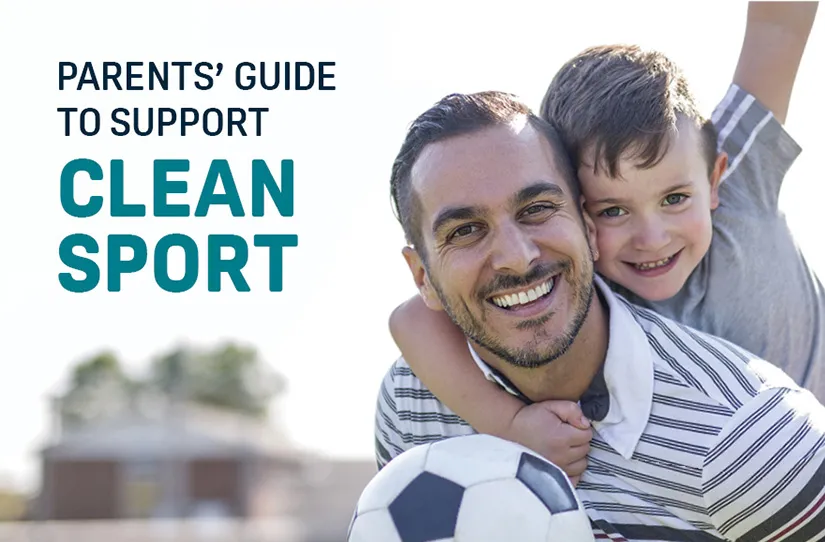
Parents guide to clean sport

Parents' Guide to Clean Sport

As parents or guardians, you know that the pressure to train hard, compete and achieve at a high level can lead athletes to entertain dangerous options.
 

Get the guide

The safety of children and all participants should be a sporting organisation’s number one priority.

— Deputy CEO, Dr Paul Oliver

Child safe practices – dos and don'ts

Protecting children and young people is everyone’s responsibility.

Learn the dos and don'ts

Choosing a child safe sport club

This poster lists what questions you should be asking, to find a safe sporting club for your child.

Get the poster

Education is important

Knowledge is power in preventing doping and safeguarding the integrity of Australian sport.

Explore education

Travel arrangements

Safe and well-planned travel is an essential part of safeguarding children and young people in sport.

Travel arrangements

Coach-athlete relationships

Learn what's healthy and what is not, when it comes to coach-athlete relationships.

For parents and families

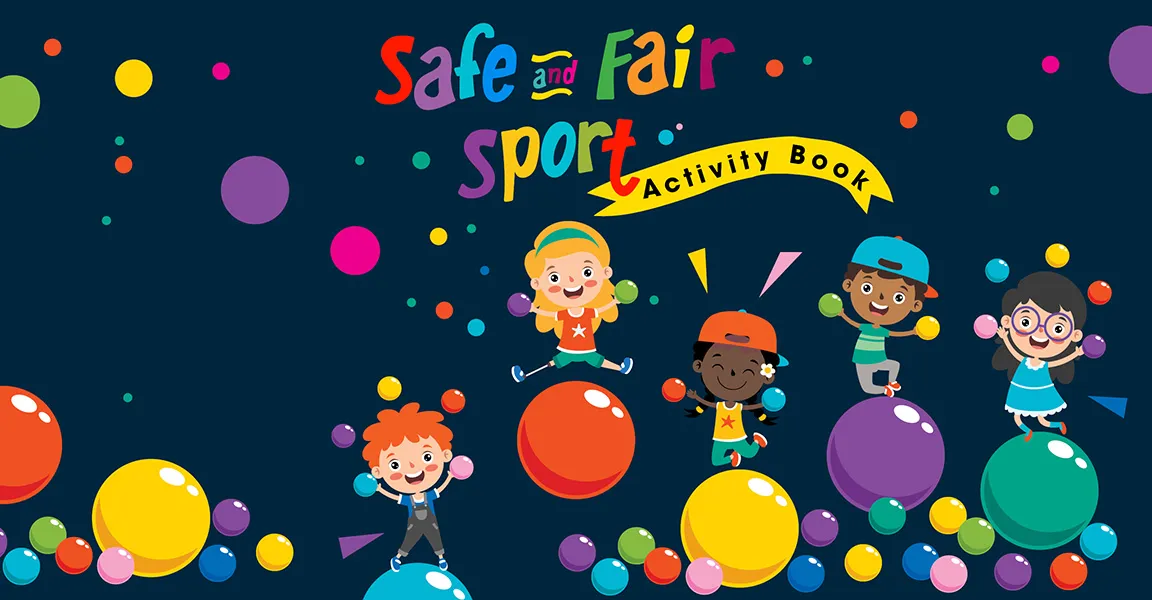
Activity Book

This book has colouring-in pages, find-a-words, join the dots, mazes, word reveals and quizzes for children and young people.

AIS Elite Youth Athlete Guidelines

To support the wellbeing, development, and performance of U18s across high performance sport.

Bullying in sport

Every person in sport, has the right to participate in an environment that is fun, safe and healthy. Bullying denies participants these rights.

eSafety for Parents

Protecting children and young people on and off the field is important.

Sport Integrity App

With over 110,000 downloads, our app is a useful resource to inform and protect athletes.

Therapeutic Use Exemption (TUE)

Check if your child will be tested and if they need a Therapeutic Use Exemption.


Subscribe for updates

Our latest news, resources, podcasts, courses and webinars.

SUBSCRIBE

#FFC845
Jelena Dokic with tennis racket cheering and text 'Unbreakable: The Jelena Dokic Story'

New education resource to support teachers

Lesson plans for high school teachers to support discussions and navigate themes presented in Unbreakable: The Jelena Dokic Story.
 

Learn about the resource

Front cover of the Sport Integrity Australia Children's Activity Book

Children’s Activity Book

The Safe and Fair Sport activity book has colouring-in pages, find-a-words, join the dots, mazes, word reveals and quizzes.
 

Download now

Education is key

We offer a range of education for everyone who participates in sport, including school visits and resources.

Our school programs

Apps and VR

Explore our educational apps and Virtual Reality (VR) online learning experiences.

Download free

Travel arrangements

Safe and well-planned travel is an essential part of safeguarding children and young people.

Get across travel arrangements

Child safe practices – do's and don'ts

Protecting children and young people is everyone’s responsibility.

Learn the do's and don'ts

Lesson guides for teachers

It is important that our future elite athletes, coaches and support personnel understand about integrity in sport.

For schools and educators

Bullying in sport

Every person in sport, has the right to participate in an environment that is fun, safe and healthy. Bullying denies participants these rights.

Coach-athlete relationships

Learn how to identify what is healthy and what is not, when it comes to coach-athlete relationships.

On Side podcast

Powerful stories and insights from athletes, coaches, officials, administrators and others closely linked to sport.

Play By The Rules

Further resources, training, and guidance for clubs, teams and families involved in sport via the Play By The Rules website.

Recruitment and screening

Organisations must ensure they recruit people who are suitable to work with children and young people.

Sport is for Every BODY

Promote positive body image among young people in sport. Explore resources from the 'Sport is for Every BODY' campaign.


Subscribe for updates

Our latest news, resources, podcasts, courses and webinars.

SUBSCRIBE

#FFC845
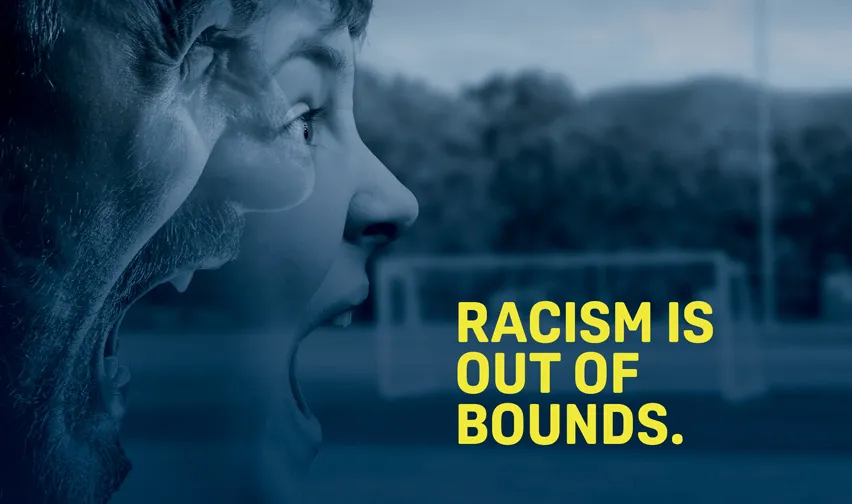
Say no to racism - racism is out of bounds

Stand against racism and discrimination in sport

Sport Integrity Australia is calling attention to the importance of unity and equality in sport.
 

Take a stand

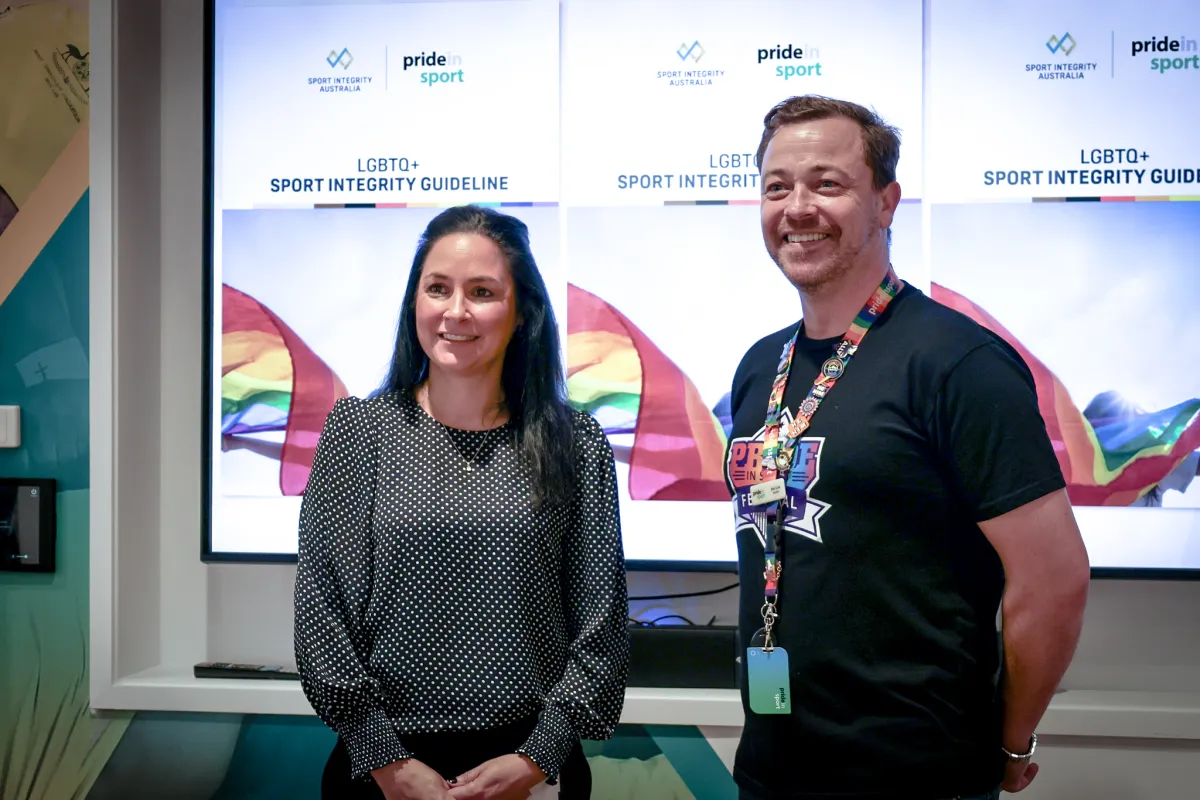
Dr Sarah Benson (SIA CEO) and Ben Cork (Pride in Sport), at the launch of the new LGBTQ+ Guideline

Strengthening integrity for the LGBTQ+ community​

We partnered with Pride in Sport to ensure a more inclusive, safe, and healthy sporting environment for people with diverse sexualities and genders.
 

Find out more

Translated resources

Resources in Arabic, Simplified Chinese and Vietnamese, to help sports and communities understand the National Integrity Framework, complaints and safeguarding.

For communities

Anti-doping testing and Ramadan

We recognise the profound importance of Ramadan, a sacred month observed by Muslims around the world.

Bullying in sport

Every person in sport, has the right to participate in an environment that is fun, safe and healthy. Bullying denies participants these rights.

Culture and Safety Advisory Committee

Represents Aboriginal and Torres Strait Islander peoples, culturally and linguistically diverse, disability and LGBTQ+ communities.

eLearning courses

We offer a range of eLearning courses, available via our SIA Edge online learning platform.

On Side podcast

Stories and insights from athletes, coaches, officials, administrators and others closely linked to sport.

Sport Integrity App

With over 110,000 downloads, our free app is a useful resource to inform and protect athletes.


Subscribe for updates

Our latest news, resources, podcasts, courses and webinars.

SUBSCRIBE

#FFC845

What is child safeguarding in sport?

Children and young people have the right to feel safe and be protected from harm when playing sport. 

Watch the video to learn more.


It's about trying to have fun and making sure each kid is safe and comfortable.

— Harry, junior footballer

Hear me play: Youth Perceptions of Safety in Sport Study

Hear from children and young people in Australian sport, about their experiences and what makes them feel safe. 


For children and young people

Activity Book

This book has colouring-in pages, find-a-words, join the dots, mazes, word reveals and quizzes.

Bullying in sport

Everyone should be able to enjoy sport free from bullying.

Jelena Dokic Story

We partnered with the creators of Unbreakable: The Jelena Dokic Story, to raise awareness of safeguarding in sport.

Resources for you

Resources for children and young people involved in sport.

Sport Integrity App

With over 110,000 downloads, our free app is a useful resource to inform and protect athletes.

Sport is for Every BODY

As a young person involved in sport, focus on what your body can do, not how it looks.

#FFC845
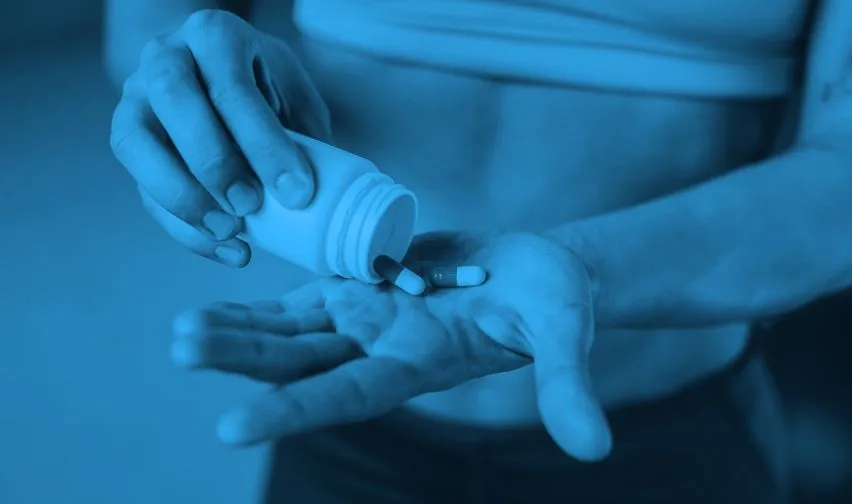
An athlete pours pills from a container into the palm of their hand

Why checking Global DRO matters

Global DRO is an internationally recognised medication checker developed specifically for sport.
 

Why use Global DRO

Coaches + Athletes identifying healthy and unhealthy relationships

Coach-athlete relationships

Learn what's healthy and what's not, when it comes to coach-athlete relationships.
 

Coach-athlete relationships

Sport is for Every BODY

Help promote positive language and behaviours around body image in sport.
 

Explore resources

Sport teaches you a huge amount of who you are and what you believe in.

— Kim Brennan (nee Crow), Olympic gold medallist, rowing

Education is important

Knowledge is power in preventing doping and safeguarding sport integrity. We offer a range of education services for athletes.

Explore education

Safe and fair sport in hand

With over 110,000 downloads, the Sport Integrity App is a useful resource to inform and protect athletes.

Download free

Athlete warning: IV infusions

Any IV infusion over 100ml of ANY substance can result in a doping violation and a ban from sport.

Check the warning

2026 Prohibited List

The annual update to the World Anti-Doping Agency (WADA) Prohibited List.

Check the 2026 list

Athlete Advisory Group (AAG)

With first hand experience of the sporting environment and its pressures, athletes are uniquely positioned to help us understand integrity risks.

About the AAG

New Athlete Advisory Group Members group photo

For athletes

Anti-Doping Rule Violations

Australia has a robust process in place to determine if an athlete or support person has committed a possible Anti-Doping Rule Violation.

Athlete rights and responsibilities

As an athlete, you have various rights and responsibilities during the testing process.

Competition manipulation

The intentional act to improperly alter the course of a sports competition to obtain a benefit, sometimes referred to as match-fixing. Learn more.

Find integrity support

Seek help, raise concerns or make a complaint about poor behaviour you see or experience in sport. This helps keep sport safe and fair for all.

Glasgow 2026 podcasts

A collab with Commonwealth Games Australia, this podcast series highlights efforts to ensure integrity is at the forefront for Team Australia in Glasgow.

Health effects of doping

Athletes who cross the line risk more than their reputation and career. They also put health and wellbeing at serious risk.


Subscribe for updates

Our latest news, resources, podcasts, courses and webinars.

SUBSCRIBE

#FFC845