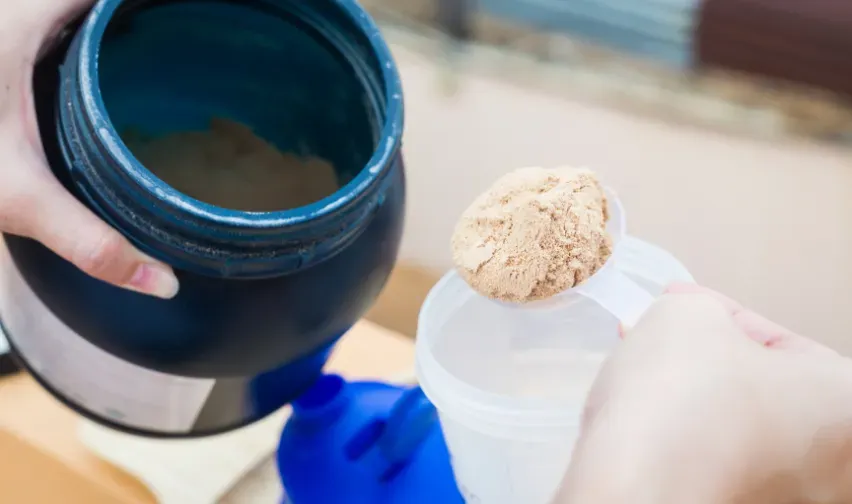
Supplement safety is in the spotlight again, with new research emphasising the need for coordinated international efforts to protect athlete health and integrity through access to supplements research detailing safety, efficacy and benefit of products.
The research, Navigating the Risk Beyond the Label: Unpacking Global Nutritional Supplement Safety has been published in the International Journal of Sport Nutrition and Exercise Metabolism.
It highlights that nutritional supplement use among athletes is widespread, but inconsistent regulatory frameworks and limited safety oversight create significant risks – including inadvertent doping.
Data was collected from six global regions – Africa, Asia, Australia/New Zealand, Europe, Latin America and North America – and revealed high-risk products such as certain herbal blends, pre-workouts and weight-management supplements had been reported across all regions.
|
Our latest news, resources, podcasts, courses and webinars:
|
The research also found third-party testing (TPT) – commonly referred to as batch testing in Australia – which independently check supplements for prohibited substances, are a proven risk-mitigation strategy.
However, awareness and use of batch-tested products are inconsistent across the globe, with misconceptions about supplement safety and certification, and barriers such as cost and labelling differences influencing athlete choices.
This new research comes on the back of figures released in a supplement survey earlier this year, finding one in three sports supplements available in the Australian online marketplace contained banned substances.
Sport Integrity Australia (SIA) Director of Research, Dr Naomi Speers – who is a contributing author on research – said while many countries lack harmonised safety standards, Australia was leading the way in this space and athletes were in a strong position to protect themselves.
“While no supplement is 100% safe for an athlete to use and we always recommend a food first approach, there are measures in place in Australia to reduce risk with supplement use,” Dr Speers said.
“SIA works closely with two third-party batch testing companies – HASTA and Informed Sport – to support athletes in making informed choices about supplement use.
“These organisations conduct comprehensive batch testing to check products for substances prohibited under anti-doping regulations.
Through initiatives like the Sport Integrity App, SIA provides athletes and support personnel with access to information on batch-tested products, reinforcing our shared commitment to protecting athlete health and integrity.
— Dr Naomi Speers, SIA Director of Research
“It’s critical that athletes, firstly, know about, and secondly, use the Sport Integrity app to research if their supplement has been batch-tested to reduce risk.”
Gary Slater, Professor Nutrition and Dietetics at University of the Sunshine Coast, also a contributing author, encouraged athletes considering the use of any supplement to engage the expert guidance of an accredited sports dietitian.
“Sports dietitians are university trained professionals who have expert advice to guide athletes on the use of diet to support their health and performance outcomes, Professor Slater said.
For some athletes, this may include the use of targeted, evidence-based supplements to assist in achieving a specific nutritional outcome. In such circumstances, the use of third-party batch tested supplements is non-negotiable. The Sport Integrity App makes identifying these tested, low risk supplements a seamless process.
— Gary Slater, Professor Nutrition and Dietetics, University of the Sunshine Coast
Supplement use can end an athlete’s career
Marathon runner Cassie Fien knows all too well how a supplement that purports to be safe and natural can have a detrimental impact on an athlete’s career.
Cassie visited a local nutrition store to buy a supplement of natural ingredients but sadly the product purchased contained banned substances.
“I think there used to be this conception if someone's doing drugs it must be testosterone or EPO…supplements do contain things that are quite legal to buy but are not legal within the sporting world,” Cassie said.
“We (athletes) train at such a high load and we expect to put our bodies through so much, there are some situations where supplementation is needed.
We need to get the message across that yes, let's get everything from our food first, but if you then need that supplementation, let's go to an accredited dietitian or doctor that knows the sporting world.
— Cassie Fien, marathon runner
“Let's have an honest conversation with them and find out what you really do need to be able to get the best out of yourself, in the safest possible way, within the rules and regulations of the sport.”
Supplement use in sport: 3-step guide to reduce risk
- Download the Sport Integrity App
- Check if your supplement has been batch-tested via the Sport Integrity App
- Looks for the trusted logos of HASTA and Informed Sport on the supplement label.
Not sure how to find a batch tested supplement using the app?
Watch our ‘Match the Batch’ video to learn more: